

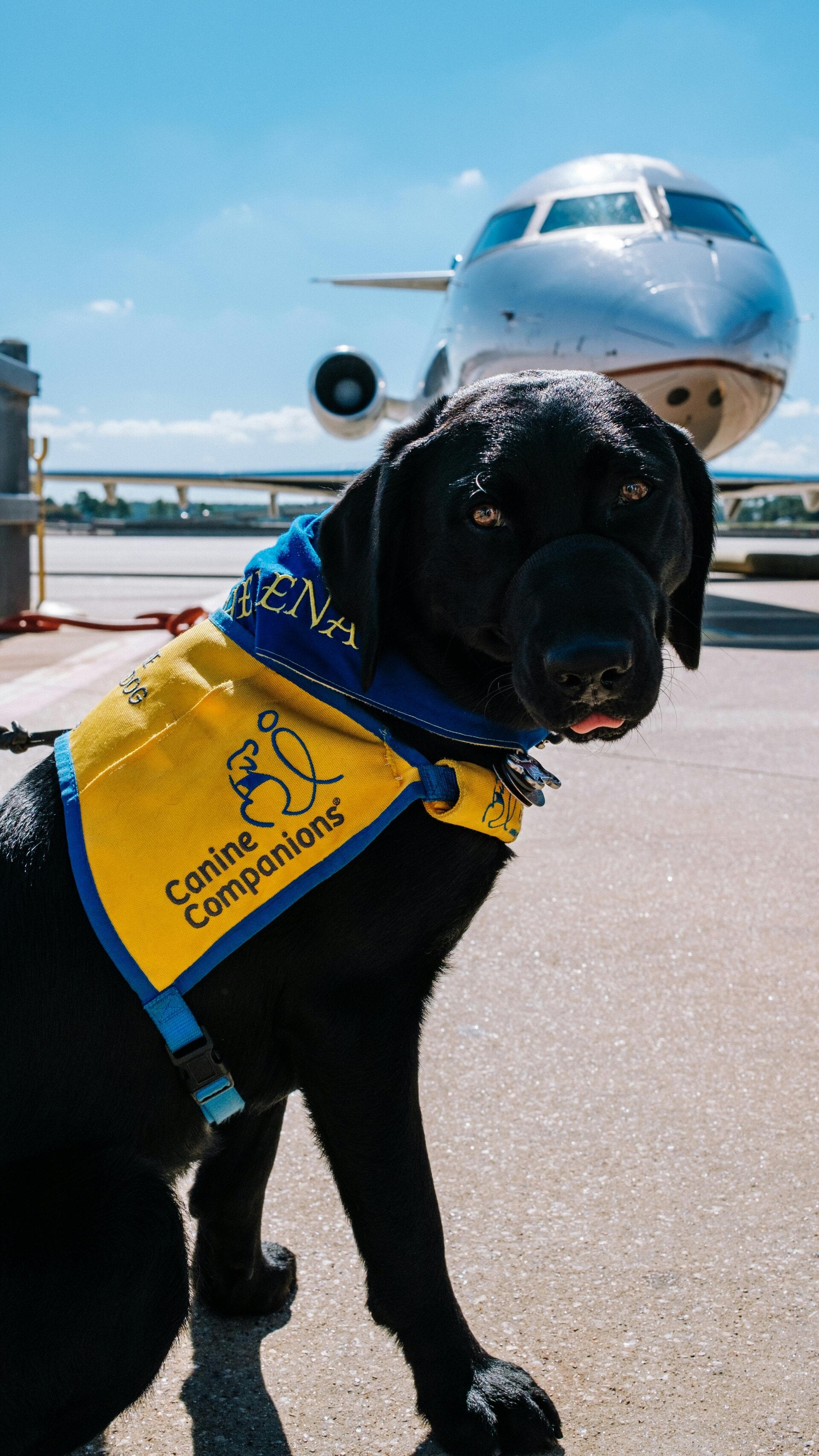
Service animals and emotional support animals serve important roles, but they are distinctly different in terms of their training, purposes, and legal rights. A service animal, typically a dog, is specifically trained to perform tasks that directly assist a person with a disability. These tasks can include guiding individuals with visual impairments, alerting those with hearing loss, or providing physical support for mobility challenges. On the other hand, an emotional support animal (ESA) provides comfort and companionship to individuals with emotional or mental health conditions, such as anxiety or depression, but they do not undergo specialized task-specific training. Legally, service animals are granted access to public spaces under the Americans with Disabilities Act (ADA), while emotional support animals are not afforded the same rights, though they may qualify for housing accommodations under the Fair Housing Act. Understanding these distinctions is key to respecting the roles these animals play and the regulations surrounding them.
Full Story: Vail Daily (Colo.) (11/25)
Create Your Own Website With Webador